Passive Fire Protection (PFP) Systems
Passive fire protection systems, fire stopping, compliance inspections, and certification services across Australia
Passive fire protection is critical to building safety and compliance. We provide fire stopping, penetration sealing, inspections, certification, and remediation services that help contain fire and smoke, protect structural integrity, and support safer environments across commercial, industrial, and critical infrastructure projects.
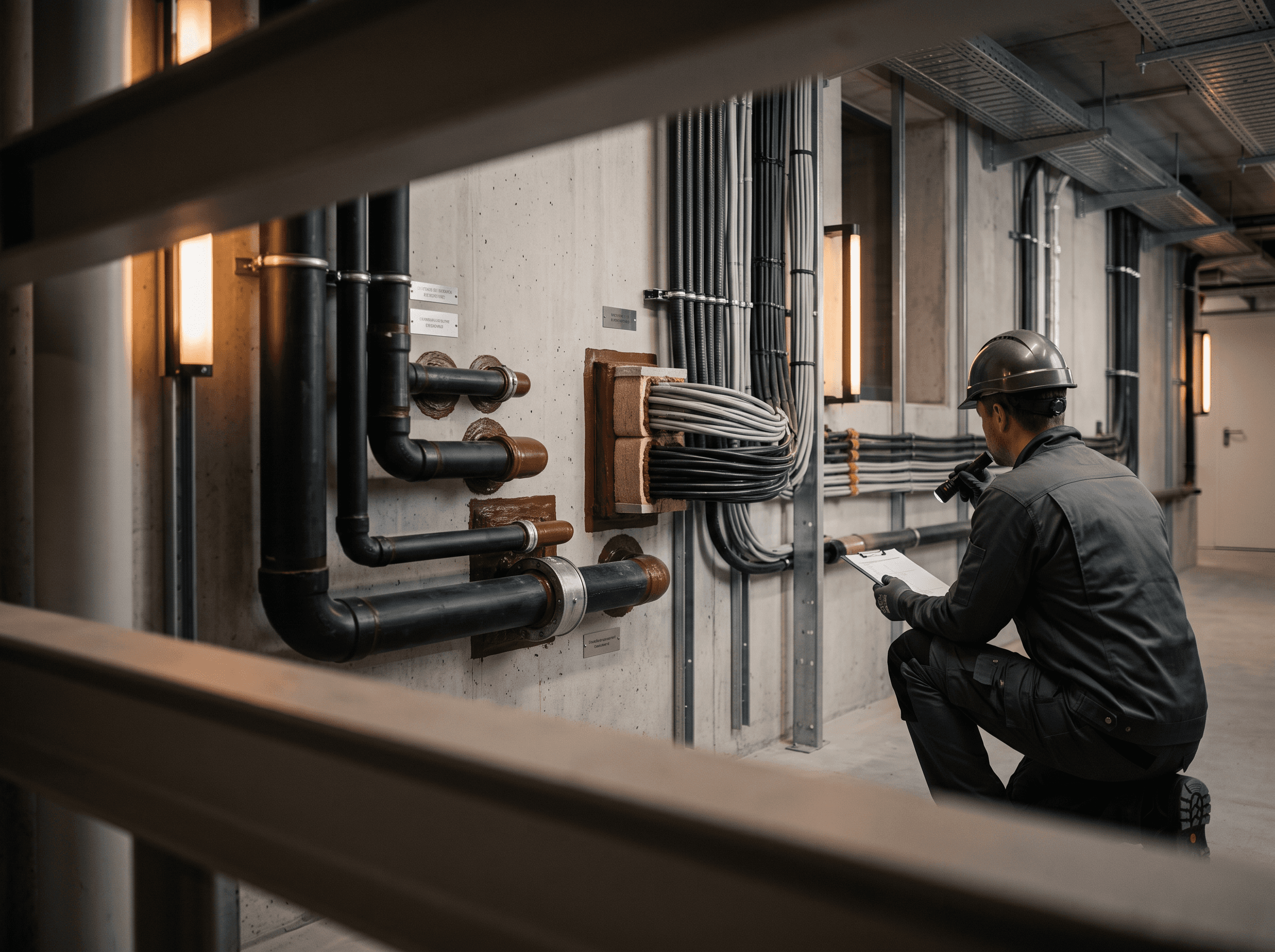
Passive Fire Protection refers to built-in fire safety measures within a building structure designed to contain fire, slow its spread, and maintain structural integrity without requiring activation (unlike alarms or sprinklers).
Why Passive Fire Systems are needed ?
Passive Fire Protection (PFP) isn’t optional—it’s a fundamental part of building safety and compliance, especially under Australian standards
Passive fire systems are essential for:
Contains Fire Spread
Provides Critical Time for Evacuation
Supports Firefighting Operations
Protects Structural Integrity
Controls Smoke Movement
Secures Escape Routes
Ensures Legal Compliance
Minimizes Property Damage
Works Automatically (No Activation Needed)
Protects Life & Business Continuity
Most importantly, it saves lives and helps businesses recover faster after a fire incident.
🏆 Simple Takeaway
Passive fire protection = Contain + Protect + Delay + Save Lives
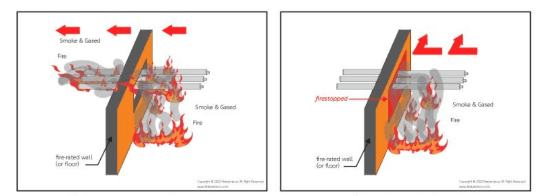
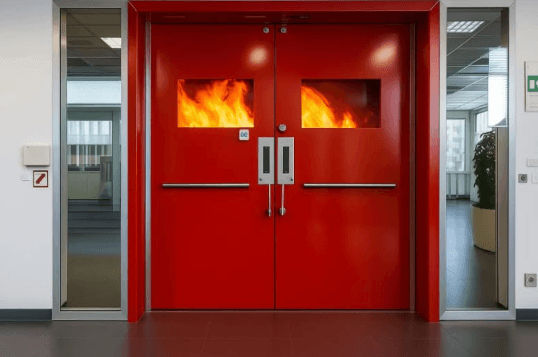
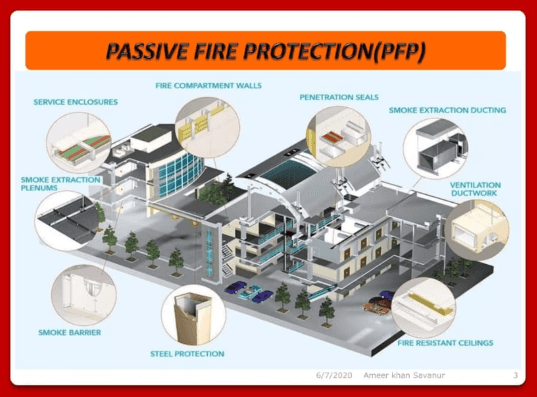
Passive Fire Protection – Key Components
Passive fire protection systems are built into the structure to contain fire, prevent spread, and maintain structural integrity without requiring activation.
🧱 1. Fire-Resistant Walls & Floors (Compartmentation)
Fire-rated walls, floors, and ceilings
Designed to contain fire within a specific area
Typically rated (e.g., 60, 90, 120 minutes)
Includes shaft walls and service risers
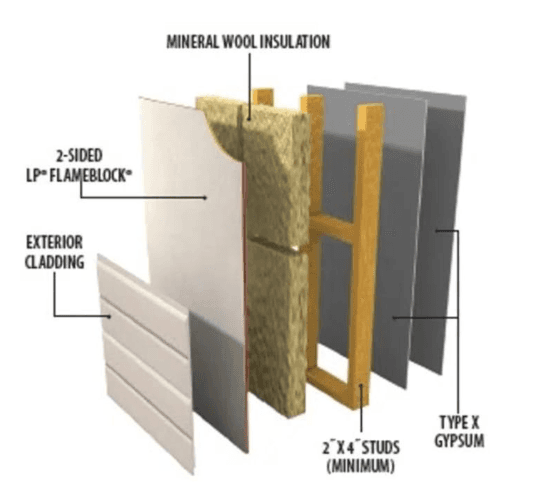
👉 Purpose: Prevent fire and smoke from spreading between compartments
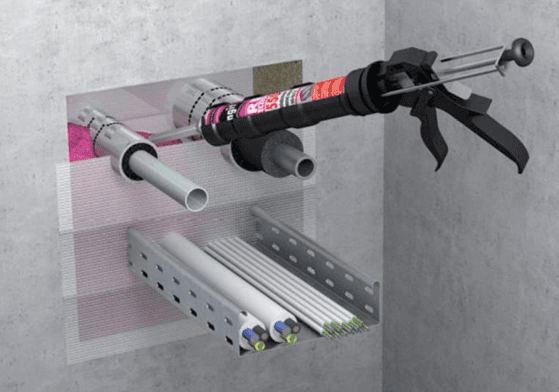
🔌 2. Fire Stopping Systems
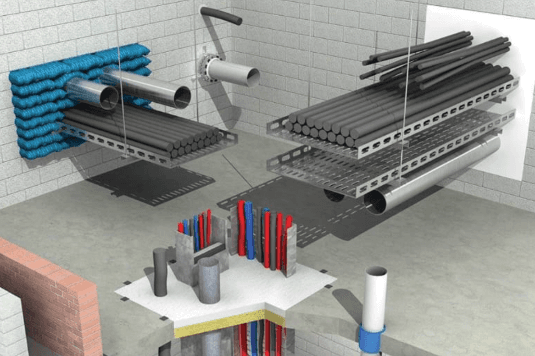
Sealing of penetrations (cables, pipes, ducts)
Fire-rated sealants, mortars, batts, and wraps
Protects openings created during construction

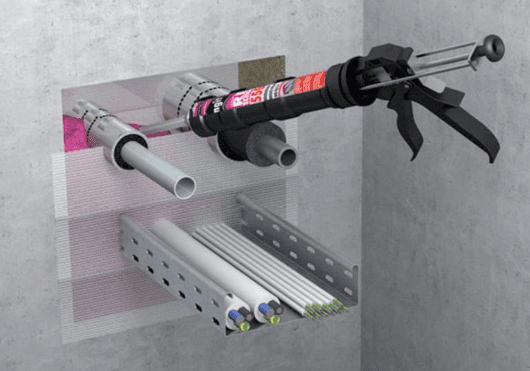
👉 Purpose: Maintain fire resistance of walls and floors
Fire-Rated Doors & Glazing
Fire doors with self-closing mechanisms
Fire-rated glass and frames
Door seals (intumescent & smoke seals)
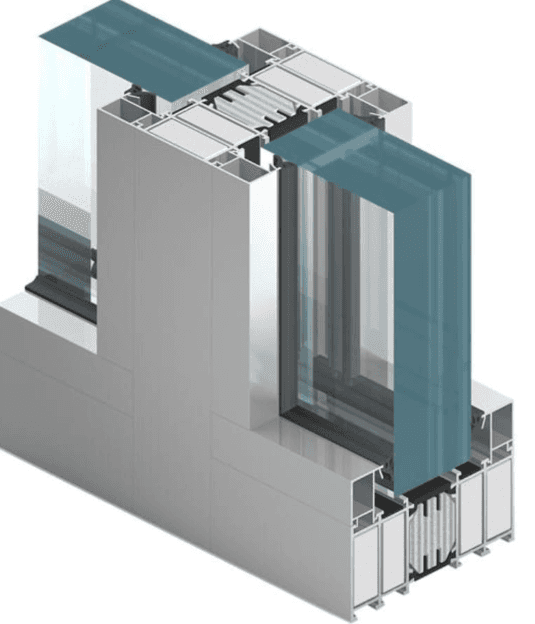
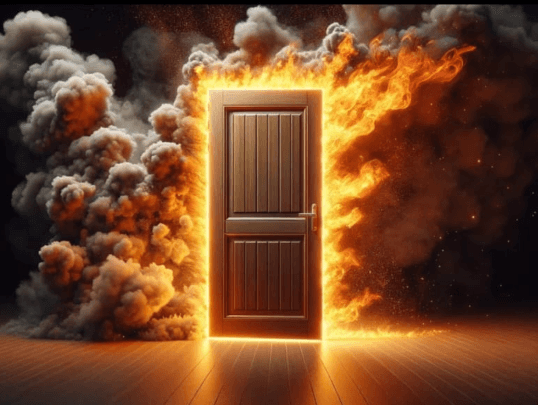
👉 Purpose: Prevent fire/smoke spread through openings
🏗️ 4. Structural Fire Protection
Intumescent coatings (expand under heat)
Fireproof boards and sprays
Protection for steel beams, columns, and structures
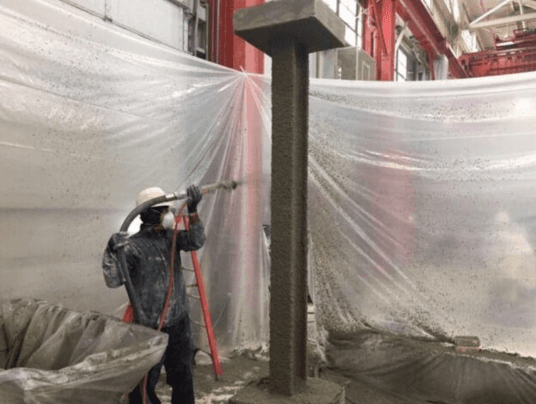
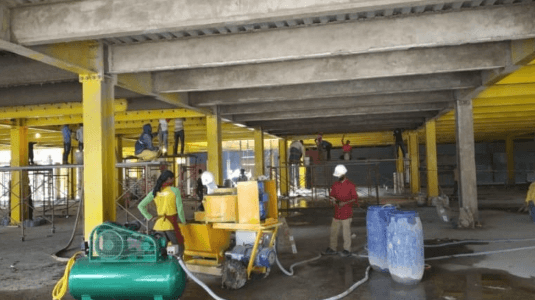
👉 Purpose: Maintain structural stability during fire
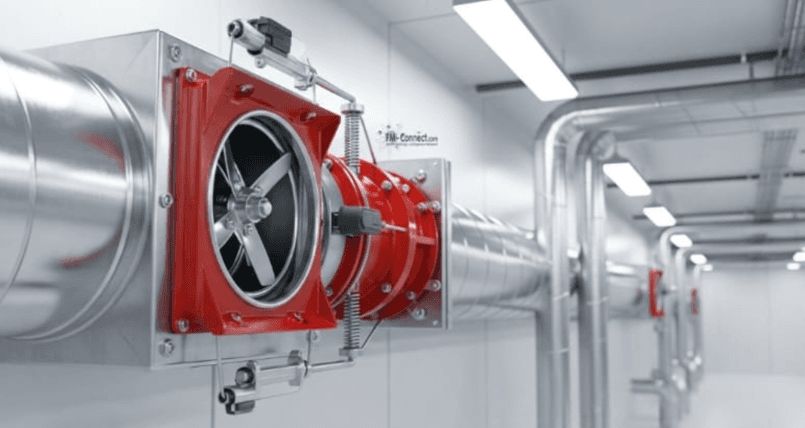
Fire & Smoke Dampers
Installed in HVAC duct systems
Automatically close when fire is detected
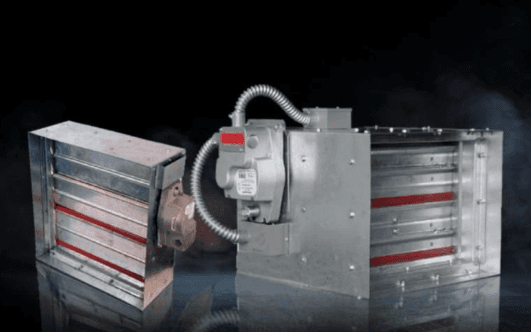
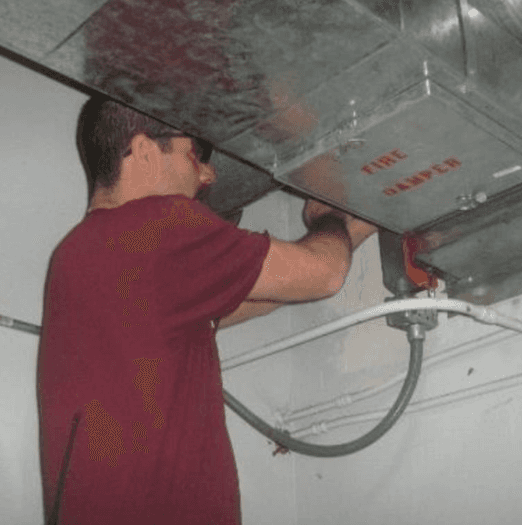
👉 Purpose: Prevent fire and smoke spread through ducts
Fire Duct System Works
Installation of HVAC ducting as per approved shop drawings
Fire-rated duct systems for critical areas
Proper insulation and sealing of duct joints
Coordination with mechanical and fire protection systems
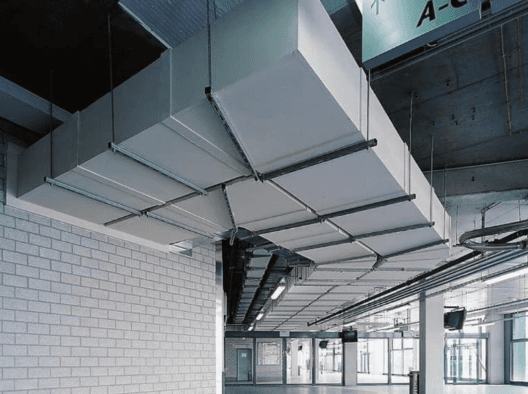
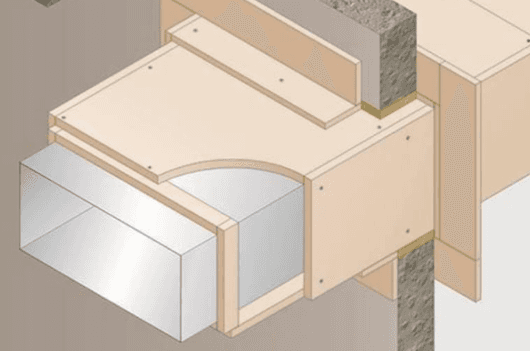
👉 Purpose: Enhances fire compartmentation, Protects escape routes from smoke, Improves overall, building safety and Ensures regulatory compliance.
Fire Barriers & Fire Seals
Fire collars (for plastic pipes)
Fire wraps and pillows
Linear joint seals
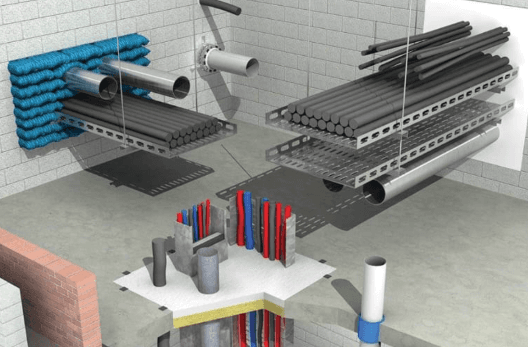
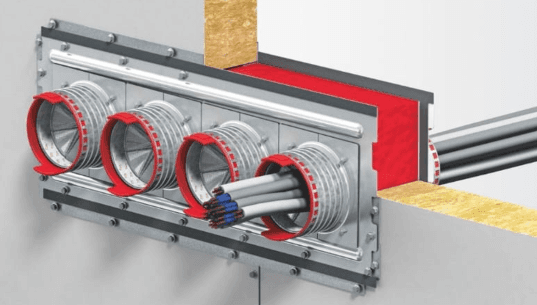
👉 Purpose: Seal movement joints and service penetrations
Fireproofing of Joints & Gaps
Expansion joint fire sealing systems
Curtain wall perimeter barriers
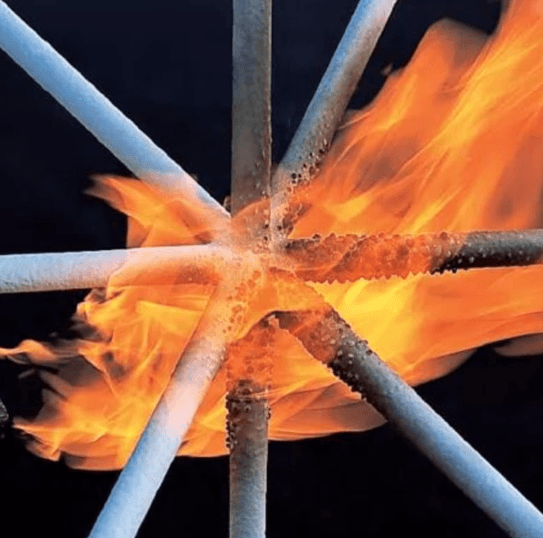
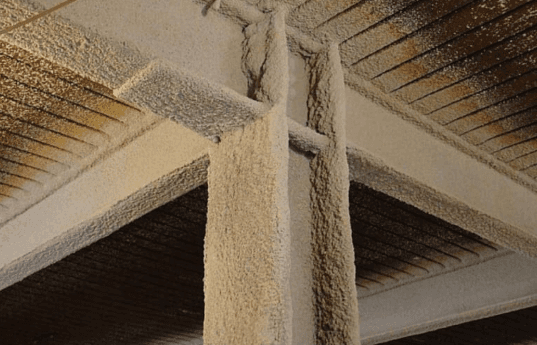
👉 Purpose: Stop hidden fire spread in building joints
Inspection, Testing & Certification
Fire stopping inspection
Compliance documentation
Third-party certification
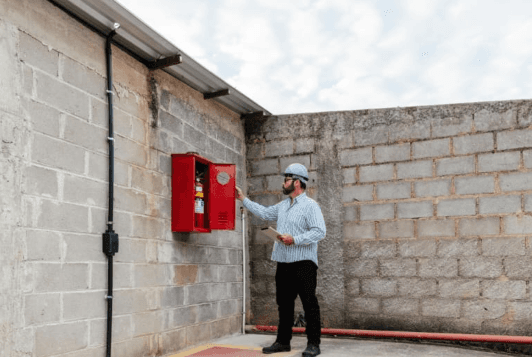
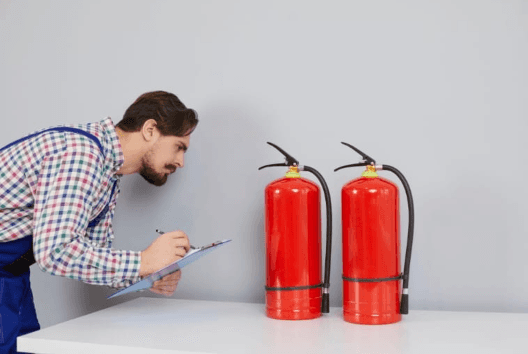
👉 Purpose: Ensure all systems meet required standards
Fire- Surveying & Compliance
Conduct detailed site inspections to assess fire system conditions and risks
Ensure full compliance with relevant codes, standards, and regulations
Identify non-conformities and recommend corrective actions
Provide accurate documentation, reporting, and audit support
Monitor and verify compliance throughout project execution and maintenance


👉 Purpose: The purpose of surveying and compliance is to ensure all systems and installations are properly assessed, meet applicable standards and regulations, and maintain safety, quality, and legal conformity throughout their lifecycle.
Relevant Australian Standards
National Construction Code (NCC)
AS 1530 – Fire testing
AS 4072.1 – Penetration sealing
AS 1905.1 – Fire doors
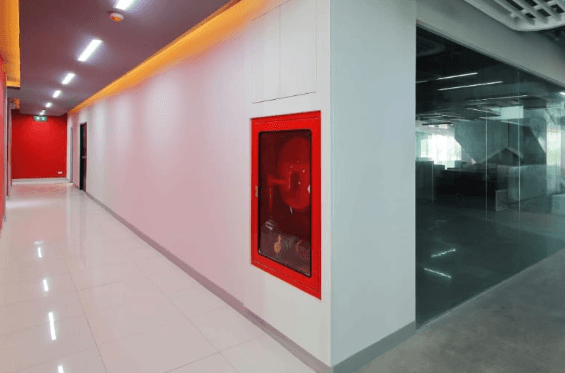
Benefits of Passive Fire Protection-
Passive fire protection plays a vital role in safeguarding lives, property, and business continuity by containing fire and smoke, maintaining structural integrity, and ensuring buildings remain compliant and resilient during fire incidents.

Key Benefits:
Slows the spread of fire and smoke
Protects structural integrity of the building
Enhances occupant safety and evacuation time
Supports compliance with fire safety regulations
Reduces property damage and financial loss
Improves overall building resilience
Minimizes business interruption
Works continuously without manual activation
Increases effectiveness of active fire systems
Provides long-term, cost-effective fire safety solution
“Our Passive Fire Protection solutions are designed and installed in accordance with the National Construction Code (NCC) and relevant Australian Standards, ensuring effective fire compartmentation, structural integrity, and life safety. We specialize in fire stopping, fire-rated sealing, and protection of service penetrations to prevent the spread of fire and smoke, safeguarding both people and property.”
Passive Fire Protection – Execution & Management Statement
At Australian Tech Communication Pty Ltd, we deliver complete Passive Fire Protection (PFP) solutions through a structured lifecycle approach—ensuring compliance, quality, and safety in accordance with Australian standards.
Installation
We carry out installation of passive fire systems strictly as per approved drawings, manufacturer specifications, and relevant standards.
Scope includes:
Fire stopping of service penetrations (cables, pipes, ducts)
Installation of fire-rated walls, floors, and barriers
Fire doors, dampers, and joint sealing systems
Structural fire protection (intumescent coatings, fire boards)
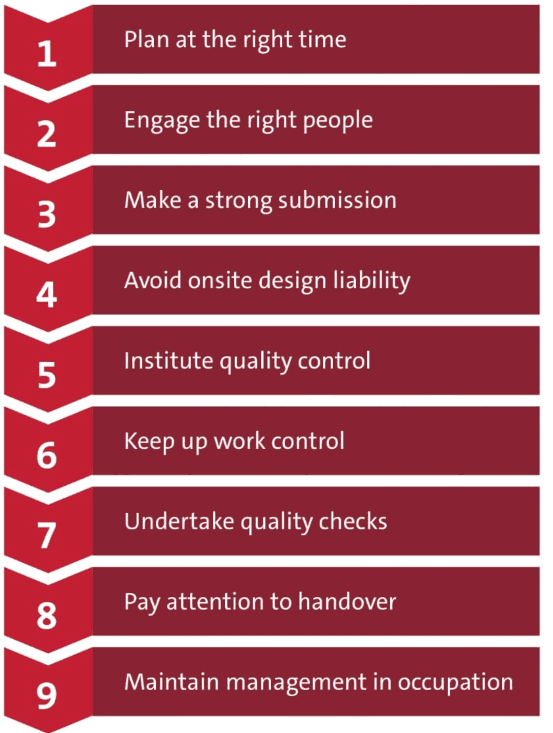
Key Approach:
Use of certified and tested materials
Skilled and trained technicians
Quality checks at every stage
Commissioning
All installed systems are commissioned to verify correct installation and performance.

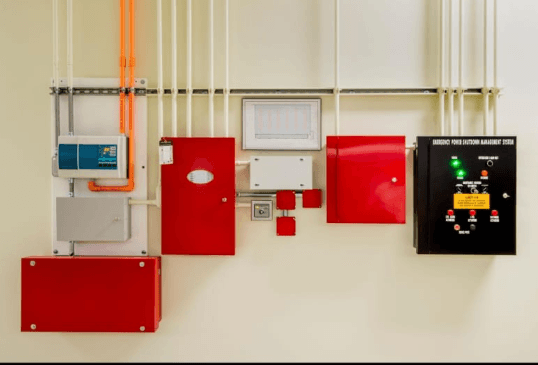
Activities include:
System verification against design and specifications
Functional checks of fire-rated components
Coordination with other building systems
Testing & Inspection & Certification
We conduct thorough inspection and testing to ensure compliance and performance.
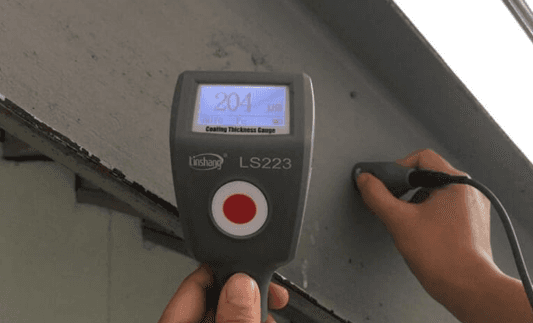
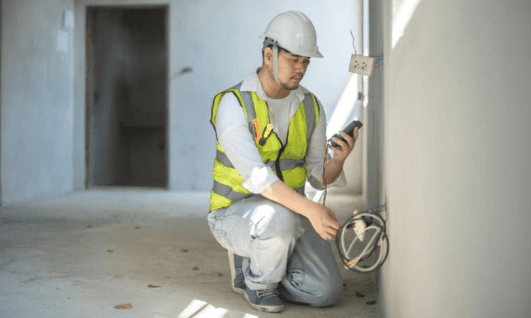
Includes:
Visual inspection of all fire stopping works
Integrity checks of fire-rated systems
Damper operation testing (if applicable)
Third-party inspection support (if required)
Documentation
Comprehensive documentation is prepared and maintained for all projects.


Deliverables:
Method Statements (MS) and SWMS
Material data sheets and certifications
As-built drawings
Inspection and test report
Reporting
We provide transparent and detailed reporting throughout the project lifecycle.
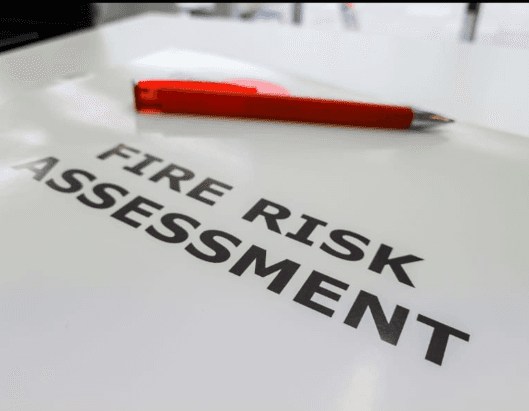

Reports include:
Daily/weekly progress reports
Inspection reports with photos
Non-conformance reports (if any)
Final compliance and handover reports
Maintenance
Passive fire maintenance ensures that all fire-resisting elements—such as fire stopping, fire doors, and structural protection—remain effective and compliant, maintaining compartmentation and preventing the spread of fire and smoke throughout the building lifecycle.
Purpose of Maintenance
Maintain fire compartmentation integrity
Prevent spread of fire and smoke
Ensure compliance with codes and standards
Identify and rectify damaged or missing fire stopping
Maintain performance of fire doors and dampers
Support life safety and safe evacuation
Protect structural elements from fire damage
Ensure readiness for audits and inspections
Extend lifespan of fire protection systems
Reduce overall risk to assets and occupants
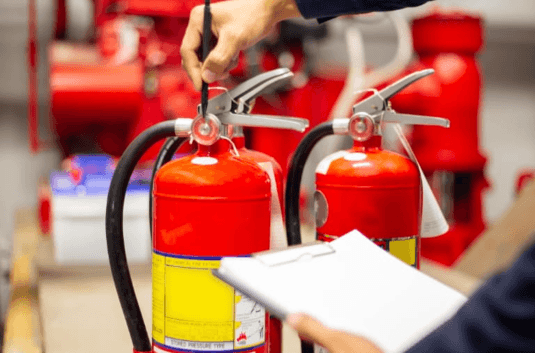
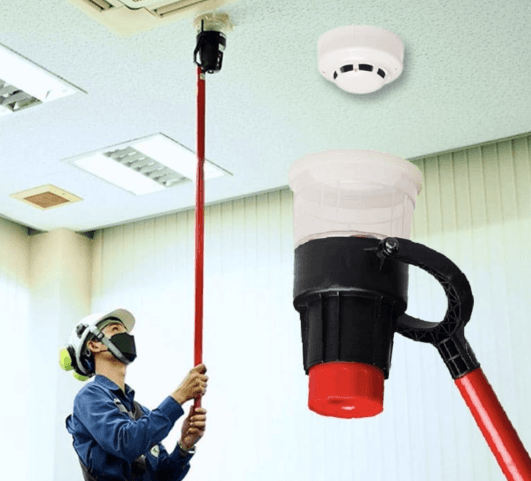
We offer ongoing maintenance services to ensure long-term system performance
Services include:
Periodic inspection and audit of fire stopping systems
Repair and rectification works
Re-certification and compliance checks
Preventive maintenance scheduling
Environment, Health & Safety (EHS)
At Australian Tech Communication Pty Ltd, we are committed to protecting the environment, ensuring the health and safety of our people, and delivering all projects in a responsible and sustainable manner.
Our EHS Commitments:
Maintain a safe and injury-free workplace for all employees and stakeholders
Comply with all applicable environmental, health, and safety regulations and standards
Identify, assess, and control risks through proactive planning and monitoring
Promote environmental sustainability by minimizing waste and pollution
Provide continuous training and awareness to our workforce
Encourage a strong safety culture with accountability at all levels
Continuously improve EHS performance through regular audits and best practices
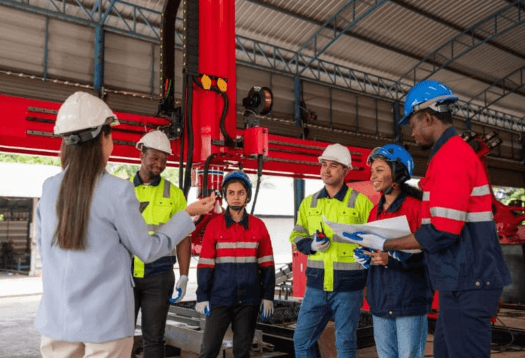
Use of appropriate PPE for all personnel.
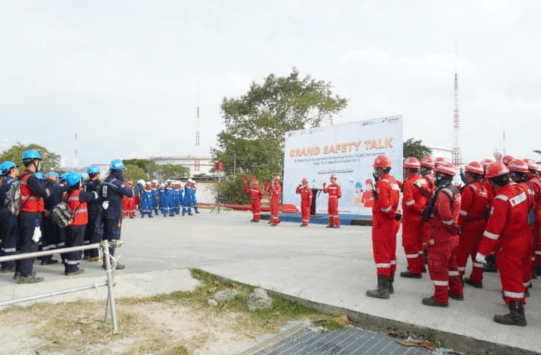
Standards Alignment:
ISO 45001 – Occupational Health & Safety
ISO 14001 – Environmental Management
Our Commitment to Excellence
At Australian Tech Communication Pty Ltd, we are dedicated to delivering high-quality, reliable, and compliant fire protection solutions through professionalism, innovation, and a strong focus on safety and client satisfaction. We are committed to delivering Passive Fire Protection systems that:
Deliver superior quality in every project and service
Ensure strict compliance with industry standards and regulations
Prioritize safety, health, and environmental responsibility
Deploy skilled, certified, and experienced professionals
Maintain transparency, integrity, and accountability
Continuously improve through innovation and best practices
Build long-term partnerships based on trust and performance.


“Australian Tech Communication Pty Ltd provides end-to-end passive fire protection services including installation, testing, commissioning, documentation, reporting, maintenance, and EHS management. We ensure all systems are delivered in full compliance with Australian standards, prioritizing safety, quality, and long-term performance.”
Frequently asked questions
How long does it take to prepare a business plan?
Most business plans are completed in 2–4 weeks, depending on complexity. Investor-ready plans may take longer due to deeper research and financial modeling.
Can you help if I don’t have a business idea yet?
Absolutely. Many of our clients come with just a spark of inspiration. We’ll help validate, shape, and refine that into a business idea worth pursuing.
Do I really need a business plan to start?
Technically, no. But without one, you risk wasting time and money. A clear plan helps you avoid mistakes, stay focused, and attract investors or partners.
Will investors actually read the plan?
Yes — but only if it’s structured well. That’s why we make sure our plans highlight the most important details clearly and concisely.
Can I update my plan later?
Definitely. We design our plans so you can revisit and update them as your business grows and adapts.
Final thoughts
Building safety and compliance shouldn't be complicated. With Australian Tech Passive Fire, you gain a trusted partner committed to protecting people, property, and infrastructure through reliable fire protection and engineering solutions. From inspections and compliance support to installation and project delivery, we help make every stage simpler, safer, and more efficient.
Ready to protect your next project?
Don't let compliance risks, fire defects, or project challenges slow you down. Contact our team today and discover how we can help deliver safer, compliant, and future-ready environments with confidence.